
The South African tax landscape has reached a historic turning point in 2026. Following the February 2026 Budget Speech, businesses and individuals face a new era of regulatory relief for small enterprises, alongside aggressive environmental mandates and matured retirement fund reforms. For clients of TechAcc, staying ahead of these changes is no longer optional—it is a financial necessity.
In this guide, we explore the three pillars of the 2026 tax overhaul: the first VAT threshold increase in 17 years, the tax realities of the “Two-Pot” retirement system, and the steep escalation of the Carbon Tax.
-
The Historic VAT Threshold Increase: Relief for SMEs
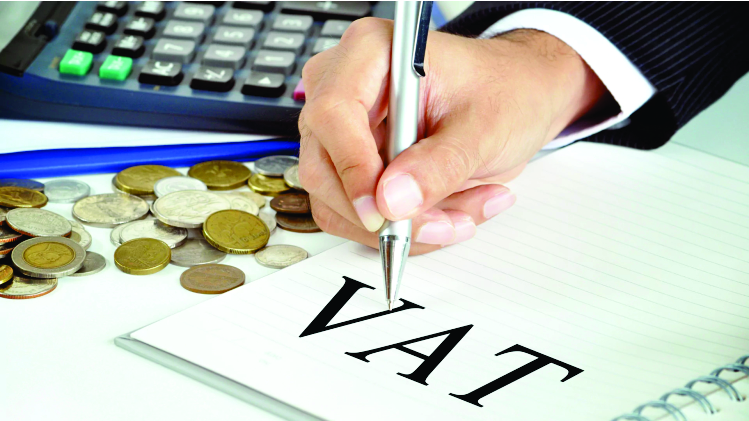
Effective 1 April 2026, the South African Revenue Services (SARS) has implemented a long-awaited adjustment to Value-Added Tax (VAT) registration requirements. This change is designed to reduce the administrative burden on Small and Medium Enterprises (SMEs) and improve their immediate cash flow.
Compulsory vs. Voluntary Registration
For nearly two decades, the compulsory VAT threshold remained static at R1 million. As of April 2026, the new levels are:
- – Compulsory Registration: Increased from R1 million to R2.3 million in taxable supplies over a 12-month period.
- – Voluntary Registration: Increased from R50,000 to R120,000.
Strategic Implications for TechAcc Clients
- – This shift allows over 10,000 SMEs to potentially deregister for VAT, effectively lowering their prices by 15% for non-VAT-registered customers (B2C). However, businesses must be cautious. Deregistering means you can no longer claim “Input VAT” on business expenses like equipment, rent, or fuel. If your client base consists primarily of other VAT vendors (B2B), remaining registered may still be the more tax-efficient choice.
-
The “Two-Pot” Retirement System: 2026 Tax Implications
- – By 2026, the Two-Pot Retirement System has moved past its implementation phase into a steady operational state. While the system provides a “Savings Pot” for emergencies, the tax consequences of accessing these funds are often misunderstood.
How Withdrawals are Taxed
- – The most critical point for TechAcc to communicate is that any withdrawal from the Savings Pot is added to the individual’s total taxable income for the year.
- – Marginal Tax Rates: Withdrawals are taxed at your current marginal rate (between 18% and 45%) rather than the more favourable retirement lump sum tables.
- – Bracket Creep Risk: A large withdrawal can push a taxpayer into a higher tax bracket, increasing the tax owed on their regular salary.
- – SARS Debt Recovery: SARS has integrated its systems with fund administrators. If a taxpayer owes outstanding tax, SARS will issue a directive to deduct that debt directly from the withdrawal amount before the individual receives a cent.
The Long-Term Cost
While the system allows one withdrawal per tax year (minimum R2,000), doing so permanently reduces the tax-free portion available at actual retirement. For most clients, the 2026 advice remains: Only withdraw in a true financial emergency.
-
The Aggressive Carbon Tax Price Path: Phase 2 Begins
2026 marks the commencement of Phase 2 of South Africa’s Carbon Tax, and the price hike is the largest since the tax was introduced in 2019.
New Rates and Levies
To meet international climate commitments, National Treasury has set a steep price trajectory:
- – Headline Rate: Increased to R308 per tonne of CO₂e (up from R236 in 2025).
- – Projected Growth: The rate is legislated to reach R462 per tonne by 2030.
- – Fuel Levies: From 1 April 2026, the carbon fuel levy has increased to 19c/litre for petrol and 23c/litre for diesel.
The “Double Whammy” for Industry
Previously, many companies were shielded by generous tax-free allowances of up to 95%. From 2026, these allowances are being systematically phased out. Additionally, for the first time, Scope 2 emissions (emissions from purchased electricity) will begin to impact operating costs as Eskom passes its own carbon tax liabilities onto consumers.
For TechAcc clients in manufacturing, logistics, or energy-intensive sectors, 2026 is the year to invest in Carbon Offsets. The eligibility threshold for renewable energy projects has been doubled to 30 MW, providing more room for companies to reduce their tax liability through green investments.
-
Other Key 2026 Updates for TechAcc
Beyond the “big three” changes, several other 2026 mandates require attention:
- – Global Minimum Tax: Multi-national entities must now use the new GloBE registration functionality on eFiling, launched on 16 March 2026.
- – Crypto Transparency: The Crypto Asset Reporting Framework (CARF) is now live. Crypto service providers must report transaction data to SARS to ensure individual compliance.
- – Turnover Tax: The threshold for this simplified system has aligned with VAT at R2.3 million, with the tax-free limit rising to R600,000.
Conclusion: Navigating 2026 with TechAcc
The 2026 tax year is defined by two opposing forces: administrative relief for small businesses and aggressive taxation for carbon emitters. By understanding the interplay between the new VAT thresholds, the high cost of “Two-Pot” withdrawals, and the rising carbon price, TechAcc can position its clients for both compliance and growth.